In the face of urban congestion and pollution, innovative cities are turning to cargo bikes as a sustainable solution. These case studies explore how cities are successfully implementing cargo bike delivery services and reaping the benefits.
1. Oslo, Norway:
Oslo has seen a surge in cargo bike usage for deliveries in recent years. The city’s commitment to reducing congestion and emissions has fostered a thriving cargo bike industry. Businesses have embraced the sustainable alternative, leading to a significant reduction in vehicle traffic and greenhouse gas emissions. Oslo’s investment in designated bike lanes and parking facilities has also facilitated the widespread adoption of cargo bikes.
2. Copenhagen, Denmark:
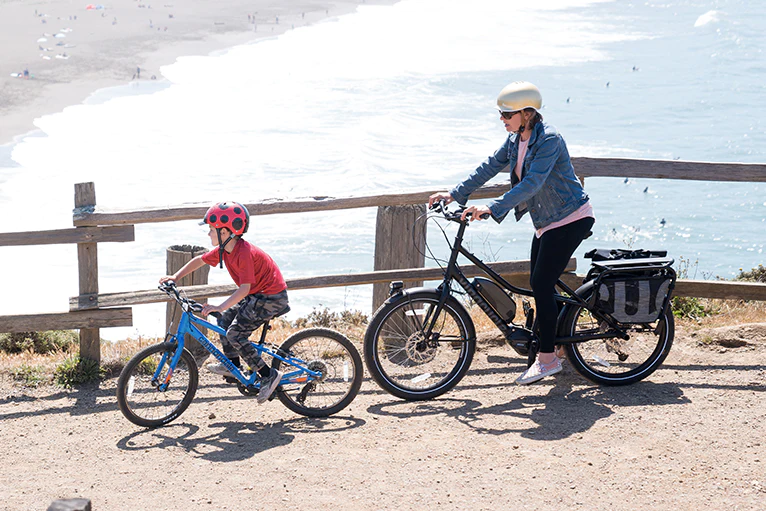
Copenhagen is renowned for its cycling culture, and cargo bikes have become an integral part of the city’s transportation system. The city has witnessed a surge in the number of delivery companies using cargo bikes, contributing to a more efficient and environmentally friendly urban logistics network. Copenhagen’s extensive network of bike paths and easy access to public transportation have made cargo bikes a viable option for businesses and residents alike.
3. Portland, Oregon:
In Portland, cargo bikes have emerged as a sustainable solution to urban delivery challenges. The city’s focus on creating a congestion-free environment has led to the development of innovative cargo bike fleets operated by local businesses. Portland’s bike-friendly infrastructure and government support for sustainable transportation initiatives have created an enabling environment for the growth of cargo bike delivery services.
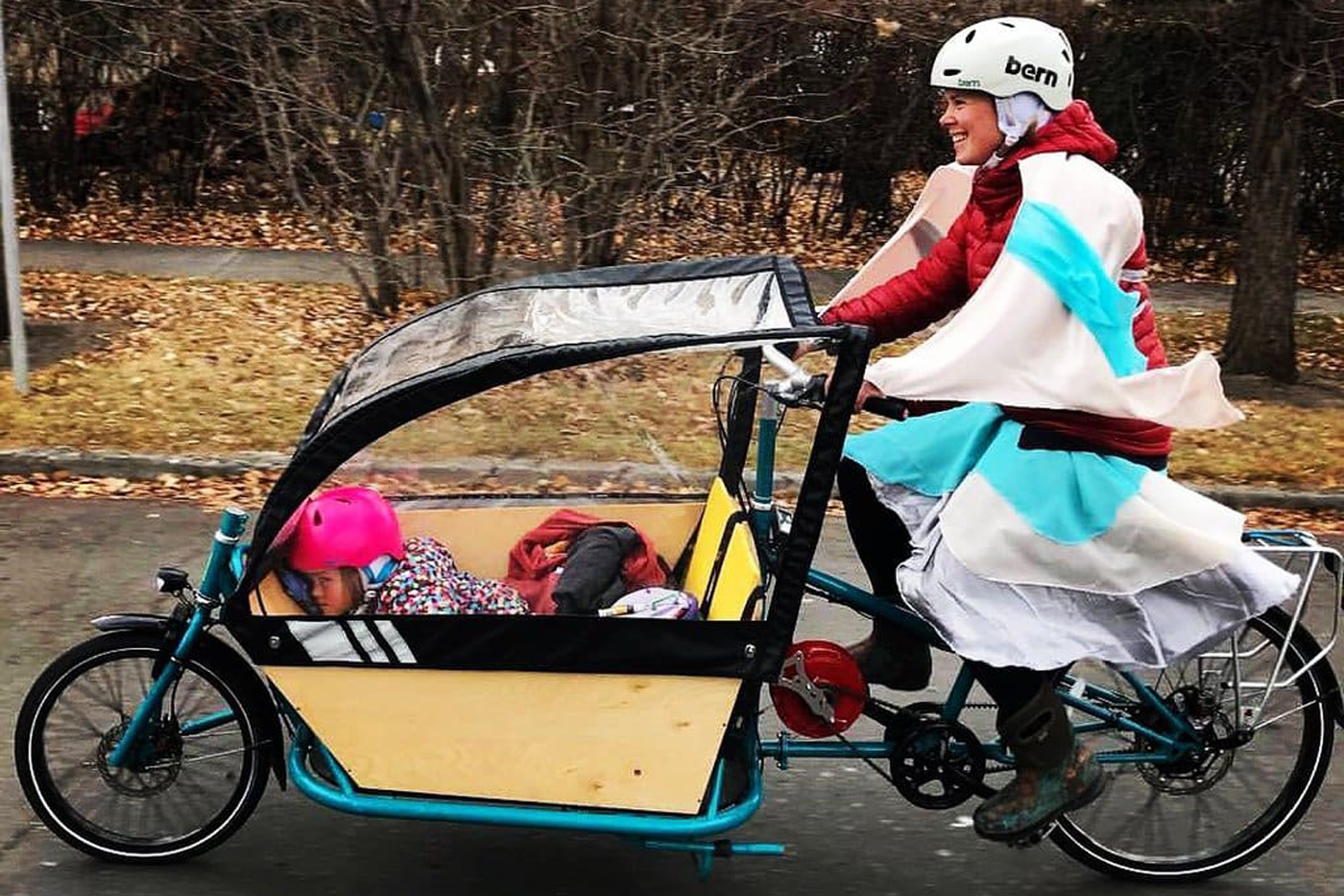
These case studies demonstrate how cities can successfully implement cargo bike delivery services to address urban congestion and pollution. By providing sustainable alternatives to traditional delivery methods, cities can encourage businesses to reduce their carbon footprint and contribute to a healthier urban environment. As more cities adopt this model, we can look forward to a more sustainable and congestion-free urban future.
More: