Cargo bikes, known for their versatility, sustainability, and ability to carry heavy loads, have gained increasing popularity worldwide. Whether you’re looking to replace your car for daily commuting, go on family outings, or carry large amounts of cargo, cargo bikes offer a practical solution. This article explores the different types of cargo bikes and offers essential tips for riding them safely and efficiently.
Different Types of Cargo Bikes
Cargo bikes come in various designs, each suited for different needs and riding styles. Understanding the different types can help you choose the right bike for your lifestyle.
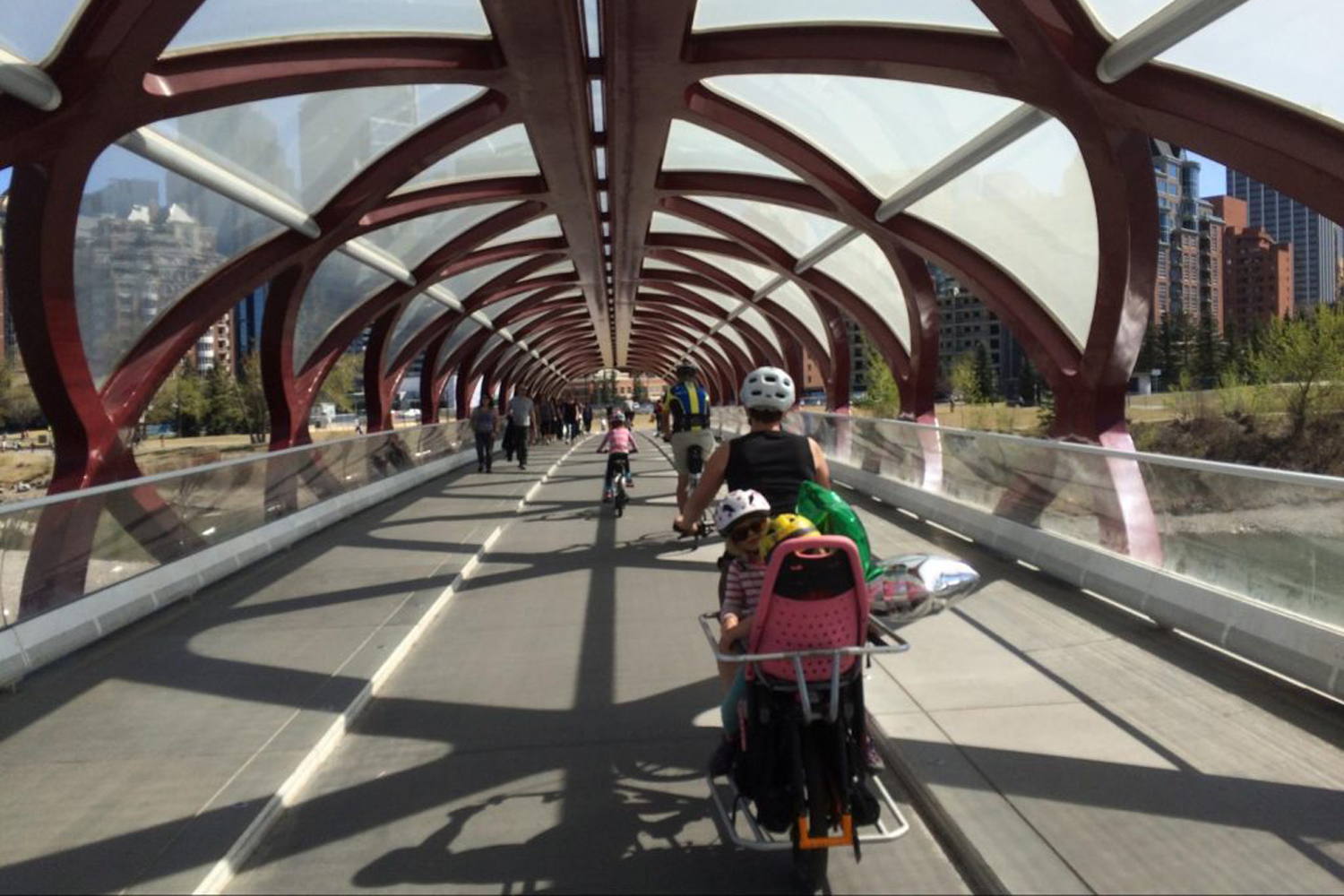
Longtail Cargo Bikes Longtail cargo bikes are essentially traditional bicycles with an extended rear frame that allows for extra cargo space. These bikes are great for carrying heavier loads, such as groceries or camping gear, without compromising on maneuverability. The extended rear frame can hold panniers, crates, or even a child’s seat. Longtail bikes are versatile and are ideal for everyday use, family rides, or even light bikepacking trips.
Midtail Cargo Bikes Midtail bikes are a shorter version of the longtail, offering a more compact design. These bikes strike a balance between cargo capacity and rideability. They are ideal for those who need some additional cargo space but don’t want the extended length of a longtail. Midtail bikes are well-suited for urban commuting and weekend trips.
Front-Load Cargo Bikes (Long John) Front-load cargo bikes feature a large cargo area in front of the rider. These bikes typically have a lower and longer frame, making them more stable when carrying heavy loads. They are perfect for transporting children or bulky items like boxes, groceries, or even small furniture. The front loading design allows for a lower center of gravity, providing a smooth and stable ride, particularly when turning.
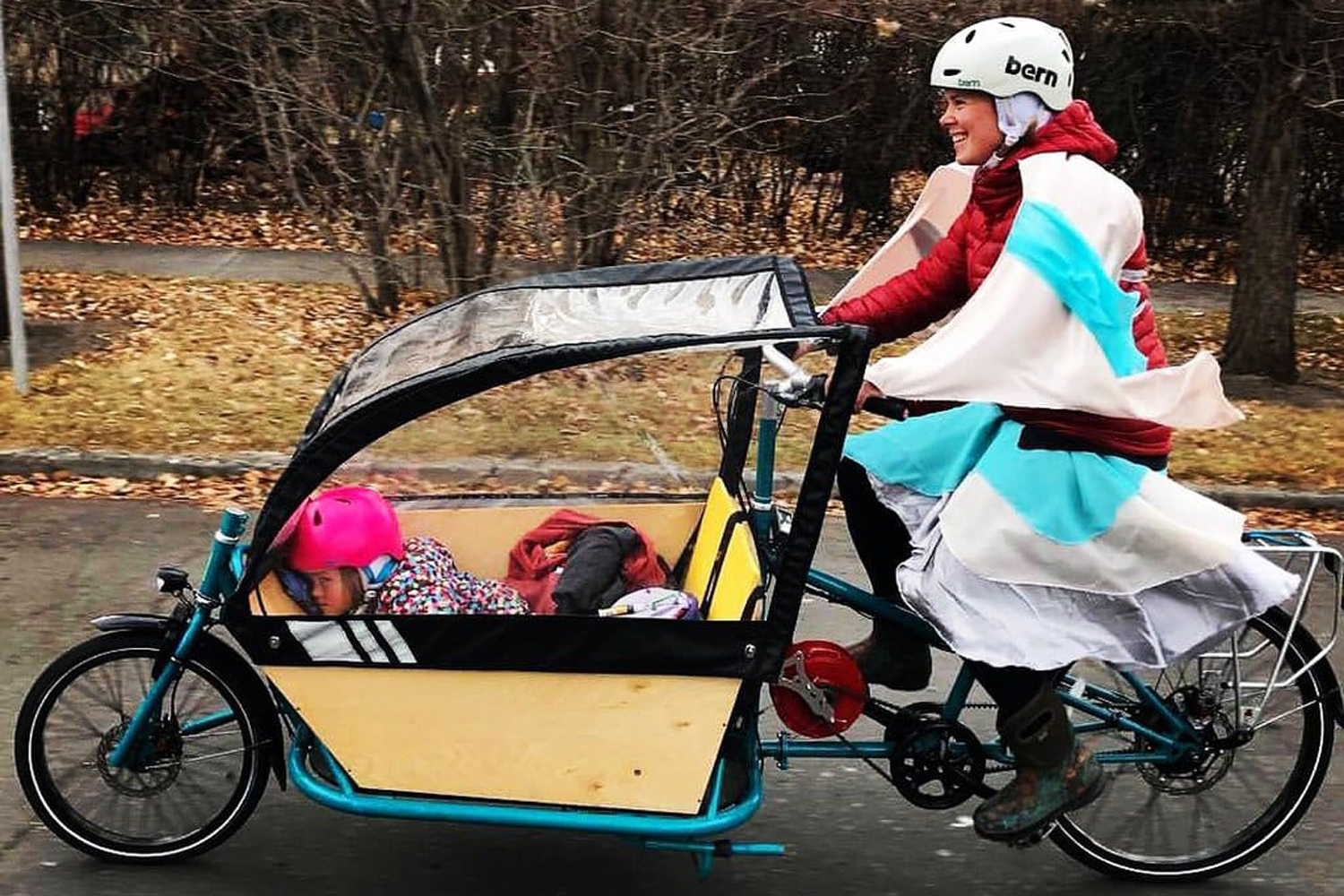
Bakfiets (Box Bikes) Bakfiets, or box bikes, are a type of cargo bike that features a large, enclosed box at the front, allowing you to carry kids, pets, or other cargo safely. These bikes typically have three wheels for added stability and can carry heavier loads. The box can be fully enclosed with a canopy for protection from the elements, making them ideal for family use in urban environments.
Three-Wheeled Cargo Bikes (Trikes) Three-wheeled cargo bikes, or cargo trikes, provide the ultimate stability, especially when carrying heavy loads. These bikes have a large cargo box either in the front or at the back, depending on the design. The added wheel makes them less maneuverable than two-wheeled cargo bikes, but they are perfect for those who prioritize stability and load capacity. Three-wheeled cargo bikes are commonly used for deliveries or in cities with uneven roads.
Electric Cargo Bikes Electric cargo bikes come with a motor to assist with pedaling. These bikes are ideal for longer trips, hilly terrain, or riders who may need a little extra help with heavy loads. With pedal-assist technology, you get the convenience of additional power when needed, without losing the health benefits of cycling. Electric cargo bikes are particularly popular with families and delivery services.
Tips on How to Ride a Cargo Bike Safely
Riding a cargo bike can be a fun and rewarding experience, but it requires some adjustments compared to regular cycling. To ensure a safe and smooth ride, here are some essential tips for riding a cargo bike.
Start with Confidence Cargo bikes are designed to handle heavy loads, but they do require some adjustment in terms of balance and maneuvering. When first riding a cargo bike, take it slow and practice in a safe, open space. Building confidence is key to ensuring a comfortable and safe ride, especially if you’re transporting valuable or fragile cargo like children.
Allow for Wider Turns Due to the added length and weight, cargo bikes typically require wider turns than regular bicycles. This is especially true for front-loading bikes and three-wheeled models. Make sure to scan your surroundings and give yourself enough space to safely navigate corners and intersections. Slow down before making sharp turns to maintain control.
Brake Slowly and Steadily Cargo bikes tend to be heavier than regular bicycles, meaning they require more time and distance to come to a stop. Always apply the brakes gently and progressively to avoid sudden stops that could cause you to lose control. Be mindful of the extra weight when braking, especially when carrying passengers or heavy items.
Be Cautious on Rough Terrain Whether you’re navigating speed bumps, potholes, or gravel roads, always approach rough terrain with caution. The added load on your cargo bike can make it more challenging to maintain balance on uneven surfaces. Slow down when riding over bumps or obstacles, and keep a firm grip on the handlebars to stay in control.
Use Proper Loading Techniques Properly loading your cargo bike is crucial for maintaining balance and stability. When carrying children, always ensure they are securely strapped into their seat or harness. For other types of cargo, distribute the weight evenly to prevent the bike from becoming unbalanced. Heavy loads should be kept low and centered to avoid tipping.
Adjust for Weather Conditions Like any bicycle, weather conditions can impact the safety and performance of a cargo bike. In rainy or snowy weather, take extra care when riding on slippery surfaces, as cargo bikes may take longer to stop or change direction. Consider using weatherproof gear, like rain covers for cargo or protective gear for your child, to ensure a comfortable and dry ride.
Check Tire Pressure Regularly Since cargo bikes often carry heavy loads, keeping the tires properly inflated is essential for safe riding. Under-inflated tires can cause poor handling and increase the risk of flats, especially when riding on rough roads. Check tire pressure regularly and top it up as needed to ensure optimal performance.
Use the Electric Assist When Needed If you’re riding an electric cargo bike, make use of the pedal-assist function when tackling hills or longer rides. The motor provides an extra boost, making it easier to handle the added weight of the cargo. However, be mindful of the battery life and avoid overusing the motor on flat terrain, as it can drain the battery faster.
Take Breaks When Necessary Cargo bikes can be demanding, especially on longer rides. Take regular breaks to avoid fatigue, particularly when carrying heavy or precious cargo. Rest stops will give you a chance to check the bike for any maintenance issues, such as loose bolts or worn tires.
Practice Parking and Storing Your Bike When not in use, always park your cargo bike securely. If you have a three-wheeled model, engage the parking brake to prevent it from rolling away. When storing your bike, especially in small spaces, take care to avoid any damage to the cargo area or frame.
Cargo bikes are an excellent alternative to traditional vehicles, offering a sustainable and versatile means of transportation for families, commuters, and adventurers alike. By understanding the different types of cargo bikes and following these riding tips, you can ensure a safe, enjoyable, and efficient experience. Whether you’re carrying kids, groceries, or gear, cargo bikes make it easier to live a more eco-friendly and active lifestyle.