Cargo bikes are an excellent way to transport goods, groceries, and even children while reducing your carbon footprint. These versatile bicycles are designed to carry heavy loads, making them a practical and eco-friendly alternative to cars for short trips. But like any vehicle, riding a cargo bike comes with its own set of safety considerations and best practices. In this article, we will explain what a cargo bike is and provide essential tips on how to ride one safely.
What is a Cargo Bike?
A cargo bike is a bicycle designed specifically for carrying heavy loads, whether it’s groceries, equipment, or children. Unlike standard bicycles, cargo bikes are built with larger frames and extended features to accommodate additional cargo space. Depending on the model, cargo bikes can have front-loading cargo areas, long tail frames, or even three-wheeled designs.
Cargo bikes come in various forms, each suited to different types of use. Some have large cargo boxes or platforms located at the front of the bike, while others extend the rear wheelbase to accommodate larger loads. There are even electric versions that provide additional assistance for carrying heavier loads or climbing hills.
Types of Cargo Bikes
Front-Loading Cargo Bikes
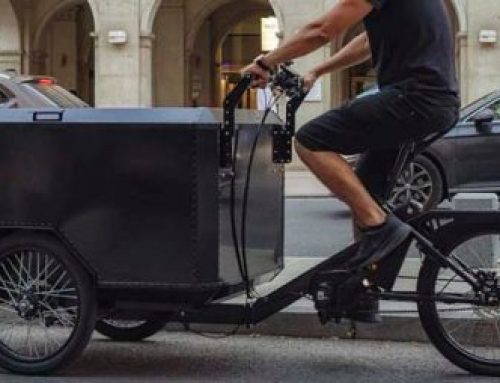
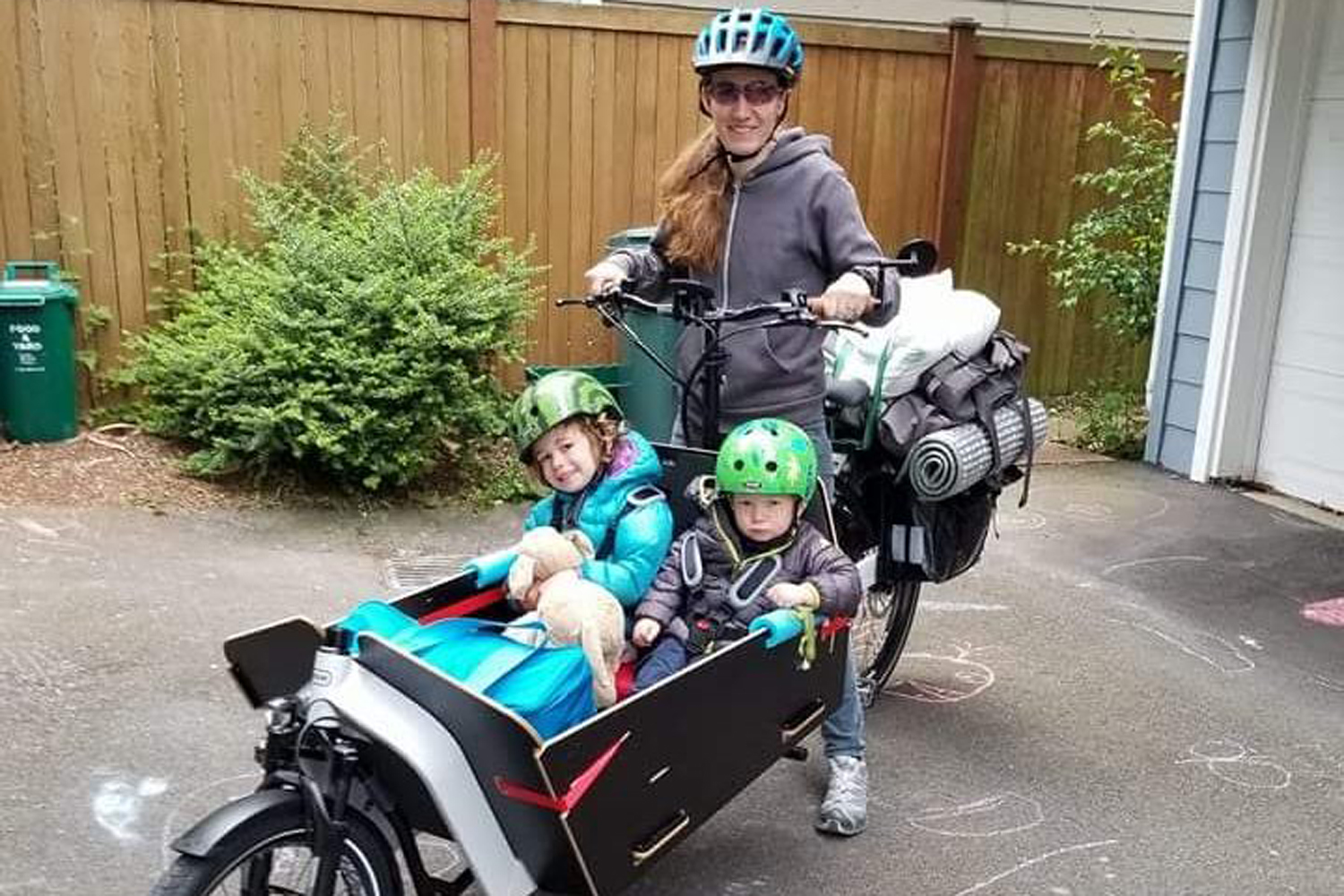
These bikes feature a large cargo area located at the front, usually between the handlebars and the front wheel. The design makes it easy to load and unload goods and gives the rider a clear view of the road and their cargo.
Long-Tail Cargo Bikes
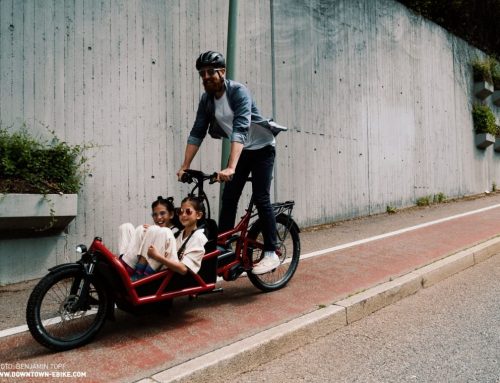
Long-tail bikes have an extended rear frame that offers more cargo space behind the rider. These bikes are great for carrying a variety of goods, including children, and they tend to be more maneuverable than front-loading models.
Tadpole Cargo Bikes
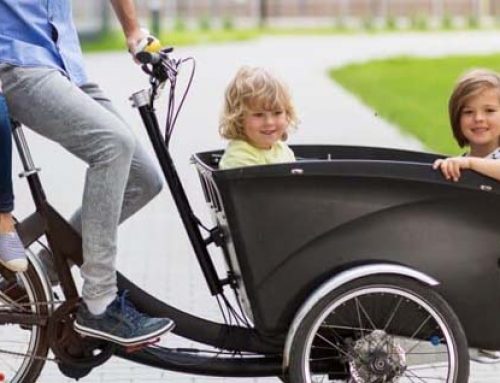
Tadpole cargo bikes have three wheels—two in the front and one at the back. This design provides extra stability, making it easier to carry heavier loads or children, especially in urban environments.
Box Bikes (Bakfiets)
Box bikes are front-loading cargo bikes with a fully enclosed cargo box. These are ideal for carrying children, pets, or delicate goods while offering protection from the elements.
How to Ride a Cargo Bike Safely
Riding a cargo bike requires attention to safety and handling, especially if you are transporting children or bulky items. Here are key safety tips and guidelines to follow when riding a cargo bike.
1. Get Comfortable with the Bike’s Size and Weight
Cargo bikes are larger and heavier than regular bicycles. Before hitting the road, take the time to familiarize yourself with the bike’s size and weight. Practice handling the bike in a safe, open area, especially if you’re new to riding it. The larger frame may feel a bit cumbersome at first, but with some practice, you’ll adjust to the bike’s balance and handling.
2. Properly Secure Your Cargo
Whether you’re carrying children, groceries, or other items, it’s essential to ensure your cargo is secure. If you are transporting children, always use proper restraints such as seat belts or footrests. For other items, make sure they are packed evenly and securely in the cargo area. If your cargo bike has a front-loading area, check that the attachments are tight, and the load doesn’t obstruct your ability to steer.
3. Adjust the Bike for Comfort and Safety
Before riding, ensure your bike is properly adjusted to suit your body size. The saddle should be at the right height to allow for comfortable pedaling. Adjust the handlebars to ensure you have a comfortable grip, and check that the brakes are working effectively. Pay attention to the tire pressure and ensure the tires are inflated to the correct level, as this affects stability and safety.
4. Practice Maneuvering and Turning
Cargo bikes, particularly front-loaders, have a unique handling feel. Turning with a heavy load at the front can require more effort and may feel different from a standard bike. It’s important to practice turning in open spaces before navigating tight or crowded areas. Make wide, smooth turns, and be cautious when making sharp corners, as the additional load can make the bike feel less responsive.
5. Ride at a Safe Speed
Due to their larger size and heavier load, cargo bikes are less agile than regular bikes. This means you should ride at a safer, more controlled speed, especially when carrying fragile items or children. Keep in mind that cargo bikes may take longer to stop, so leave extra distance between you and other vehicles or cyclists.
6. Be Aware of Your Surroundings
Cargo bikes are often wider and longer than regular bikes, so be mindful of your surroundings. When riding through traffic or crowded areas, signal your turns and be aware of your bike’s width. Make sure that the cargo does not obstruct your vision or make it difficult for other road users to see you. When riding in low light conditions, use reflective materials or lights to increase your visibility.
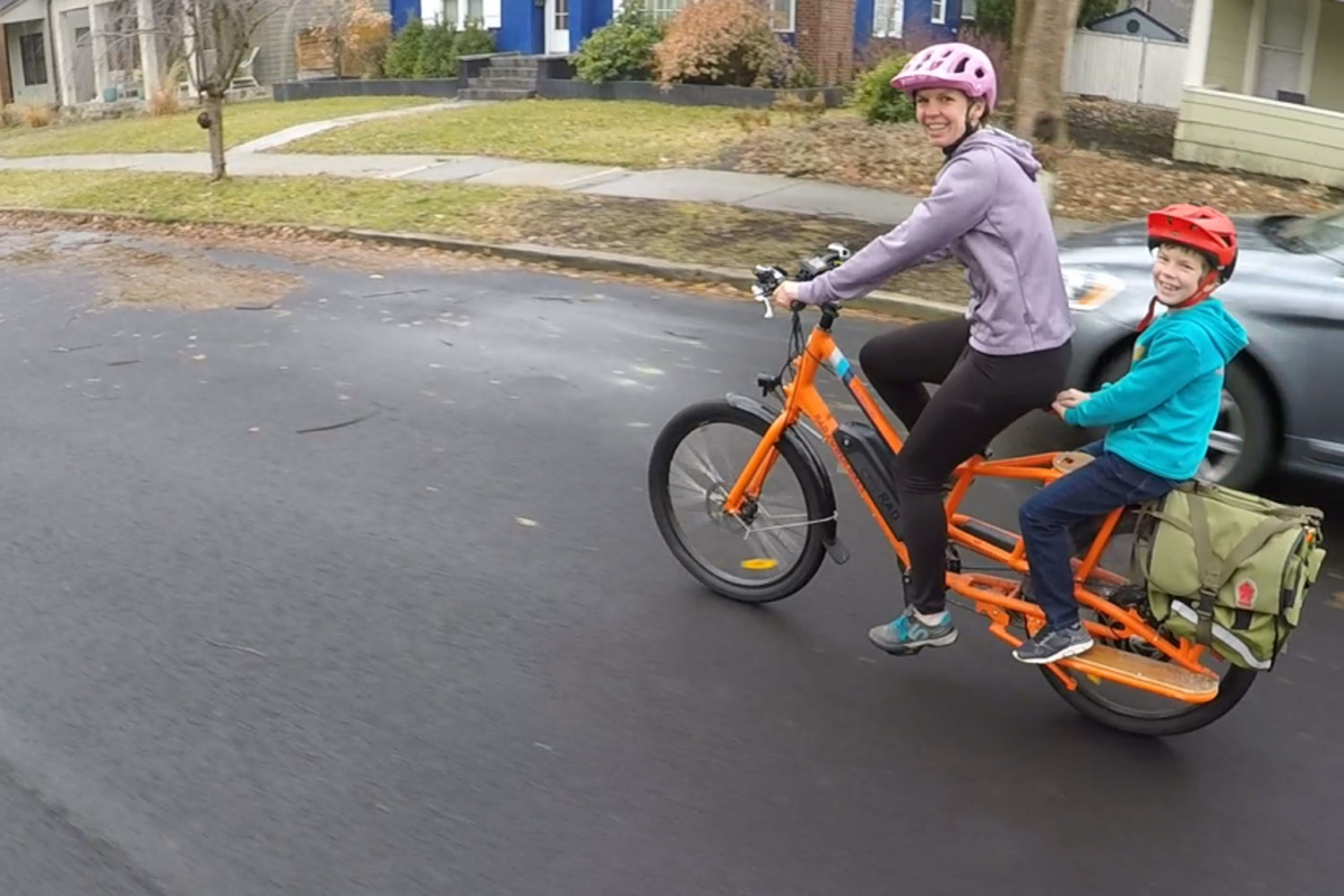
7. Brake Responsibly
Cargo bikes may take longer to stop than regular bikes, especially when carrying heavy loads. Always brake gently and early to avoid sudden stops. If your bike is equipped with a front and rear brake system, use both to achieve the most effective stopping power. Additionally, it’s essential to check your brakes regularly for wear and tear, as they are crucial for safety.
8. Check the Weather and Road Conditions
Cargo bikes can be affected by road conditions, especially if you’re carrying heavy loads. If the weather is wet, ensure your tires have good grip to prevent slipping. Avoid riding on rough, uneven surfaces whenever possible, as cargo bikes can be harder to control on such terrain.
Cargo Bike Safety Checklist
Here’s a quick checklist to ensure your cargo bike is safe and ready to ride:
Cargo Security: Make sure everything is secure before you ride.
Brakes: Check that both front and rear brakes are working effectively.
Tires: Ensure tires are inflated to the correct pressure and free from punctures.
Frame: Inspect the frame for any cracks or loose parts.
Handlebars: Confirm that handlebars are secure and able to turn smoothly.
Lighting and Reflectors: Check that your bike is equipped with proper lighting and reflectors to stay visible.
Pedals and Footrests: Ensure that pedals are firmly attached and footrests are secure, especially if transporting children.
Cargo bikes are a fantastic solution for eco-friendly transportation, and they provide a unique way to carry heavy loads, children, or even pets. By following these safety tips, you can ensure that you enjoy a smooth, safe ride every time you hop on your cargo bike. Regular checks, proper loading techniques, and safe riding practices will help keep you and your cargo bike in top condition. So, whether you’re using your cargo bike for family rides or urban commuting, make safety a priority and enjoy the ride!