Cargo bikes have become a popular solution for families looking to reduce car use and increase physical activity. They are particularly appealing for transporting children, groceries, and other necessities around town efficiently and eco-friendly. When choosing a cargo bike, families generally consider three main types: longtail cargo bikes, two-wheeled cargo bikes, and three-wheeled cargo bikes. Each has unique advantages and drawbacks suited to different needs and environments.
Longtail Cargo Bikes
Longtail cargo bikes are characterized by their extended rear deck, which allows seating for multiple children and additional cargo space. They are built much like traditional bicycles but with enhanced capacity for passengers and goods.
Advantages:
Agility and Speed: Longtails are closer in handling to regular bikes, making them excellent for those who value speed and the ability to navigate through traffic and tight spaces.
Storage and Parking Ease: Due to their relatively standard width, these bikes are easier to store and park in urban environments, which may have limited space.
Cost-effectiveness: Generally, longtails are less expensive than other cargo bikes, making them a more accessible option for families looking to transition from car dependency.
Disadvantages:
Limited Visibility of Passengers: When children are seated behind the rider, it’s challenging to monitor them without turning around, which can be unsafe.
Balance Issues: Especially when loaded with children or cargo, longtails can be difficult to balance at low speeds or when stationary.
Two-Wheeled Cargo Bikes
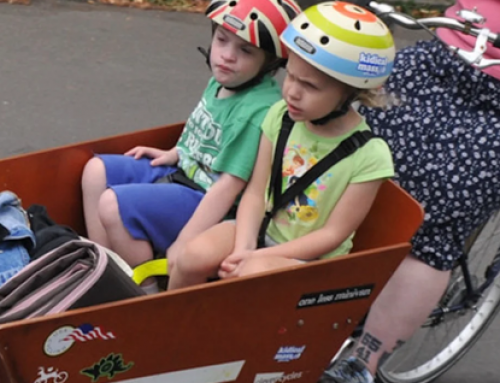
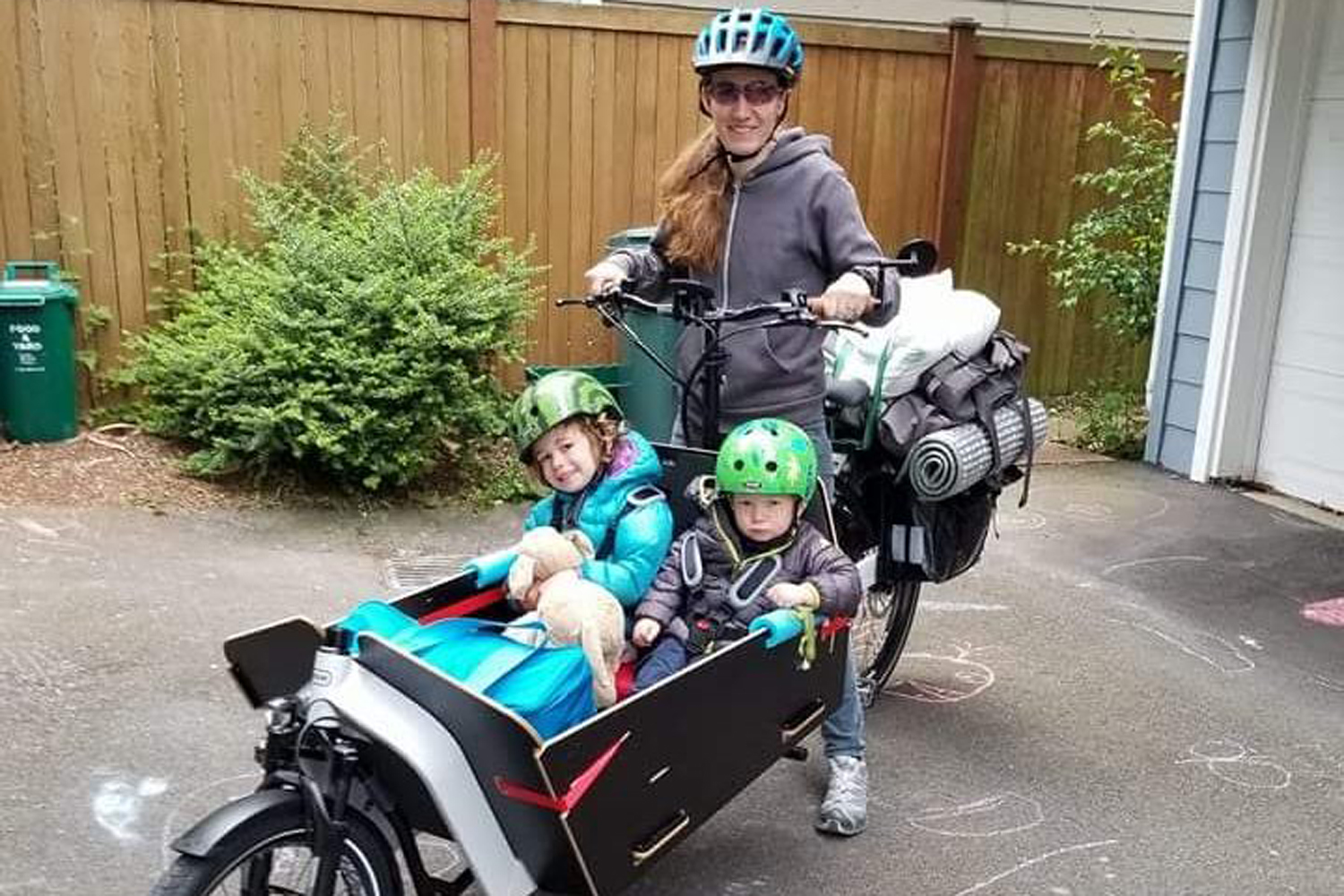
Two-wheeled cargo bikes often feature a box or basket at the front, providing space for children and cargo. This setup allows direct interaction with passengers and easy access to stored items.
Advantages:
Interaction with Passengers: Having kids in front allows constant visual and verbal contact, which can be comforting for both the rider and the young passengers.
Handling at Speed: These bikes are typically faster and handle better at higher speeds compared to three-wheeled versions.
Disadvantages:
Stability at Low Speeds: Two-wheeled cargo bikes can feel unstable at low speeds or when starting to pedal, which might be intimidating for less experienced cyclists.
Storage Size: These bikes can be bulkier than longtails, requiring more storage space.
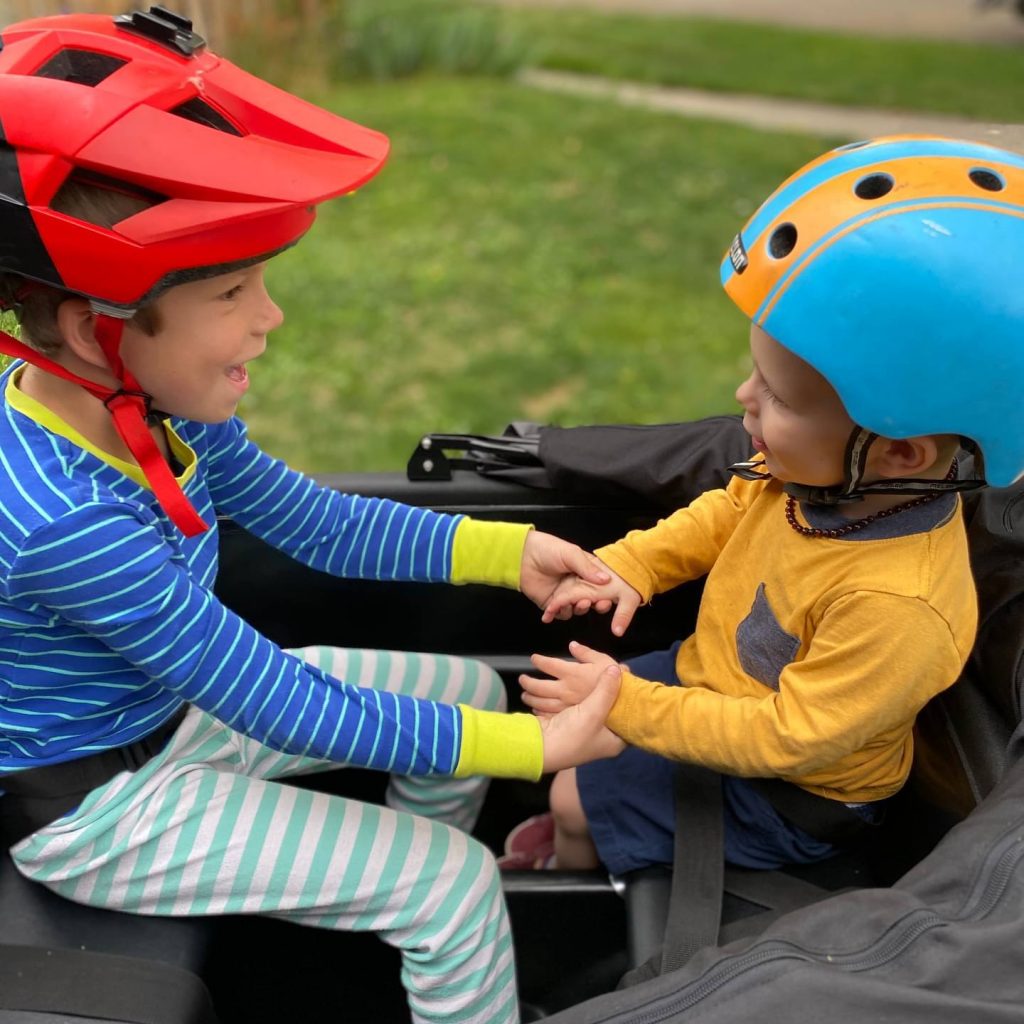
Three-Wheeled Cargo Bikes
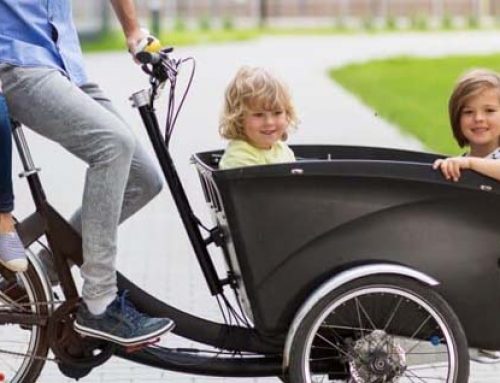
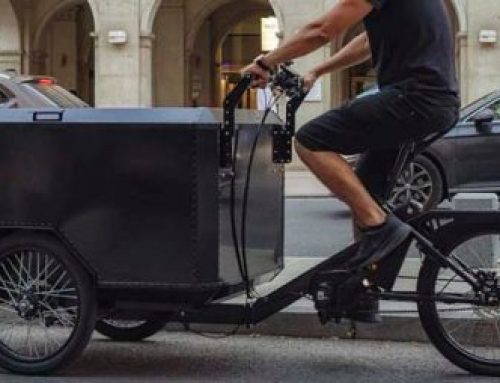
Also known as cargo trikes, these bikes have two wheels at the front or back, providing a stable platform for a large cargo box.
Advantages:
High Stability: The three-wheel setup provides excellent stability, making it easy to load and unload children and goods without the bike tipping.
Increased Carrying Capacity: These bikes can handle more weight and more passengers, suitable for larger families or heavier loads.
Disadvantages:
Maneuverability: Cargo trikes are less agile than their two-wheeled counterparts and can be challenging to handle in tight spaces.
Size and Weight: The additional wheel and sturdier frame make these bikes heavy and large, posing challenges in storage and increased effort in pedaling.
Choosing the right cargo bike depends largely on individual family needs, cycling confidence, and the environment in which the bike will be used. Longtail bikes offer simplicity and speed, two-wheeled bikes provide interaction and nimbleness, and three-wheeled bikes offer unmatched stability and capacity. Each type has its place in the urban landscape, and the best choice varies from one family to another based on their specific circumstances and preferences.