When it comes to finding the perfect cargo bike for family outings, commuting, or transporting goods, the array of options available on the market can be overwhelming. Box bikes, front-load cargo bikes, two-wheelers, and three-wheeled trikes all have unique features and benefits. With different designs, load capacities, and handling characteristics, it’s essential to choose a model that aligns with your lifestyle, family size, and transportation needs. This guide will break down the key differences between these types of cargo bikes and answer critical questions to help you make an informed purchase.
What Is a Cargo Bike, and Why Choose One?
A cargo bike is a sturdy, versatile bicycle designed to carry heavier loads than a standard bike, often with room for passengers. They are popular with families who want an eco-friendly way to transport children, groceries, or other items. Cargo bikes come in two primary configurations: two-wheelers (often known as long-tail bikes) and three-wheel trikes (or front-load bikes). Each has advantages, and choosing the right one will depend on factors like load requirements, terrain, and budget.
Understanding Cargo Bike Types: Two-Wheeled vs. Three-Wheeled Designs
Cargo bikes are generally split into two main categories:
Two-Wheeled Long-Tail Bikes: These bikes are extended at the back, allowing space for one or two passengers or for mounting extra storage like bags and baskets. The load is placed behind the rider, giving the bike a similar feel to a standard bicycle with added length.
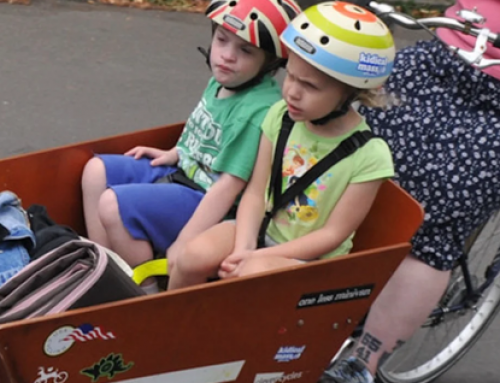
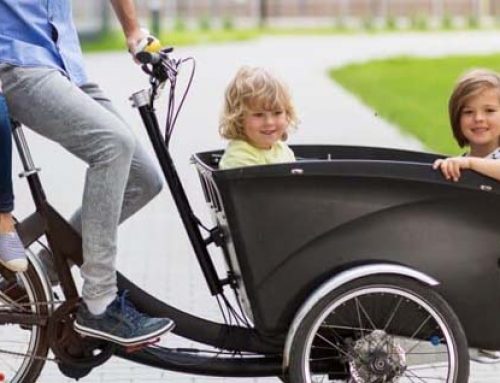
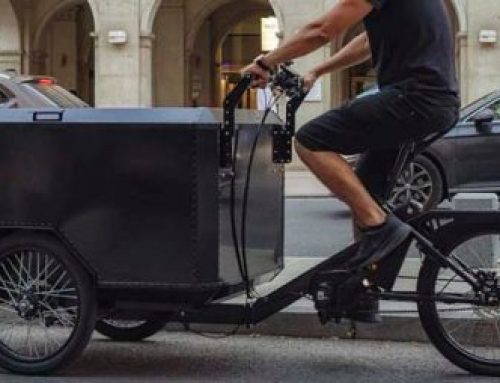
Three-Wheeled Front-Load Cargo Trikes (Box Bikes): These bikes have a larger cargo area positioned at the front. The three-wheel design adds stability and allows for a spacious box that can fit up to four children or other bulky items.
Each design has unique features that cater to different needs. Here’s a closer look at each type and the essential questions you should consider before making a decision.
Key Questions to Ask Before Buying a Cargo Bike
1. What Type of Cargo Will You Be Transporting?
Understanding what you plan to carry is the first step in choosing the right cargo bike. Long-tail bikes are suitable for carrying one or two children, along with bags and groceries, but may be limited in terms of total load space.
On the other hand, front-load trikes (box bikes) offer a larger and more accessible cargo area that’s ideal for transporting multiple children or larger items. These bikes can often carry up to four passengers or extra-large items like picnic supplies, beach gear, and even small furniture pieces.
2. Do You Prefer a Two-Wheeled or Three-Wheeled Design?
A two-wheeled long-tail bike rides similarly to a traditional bicycle, making it easier for those already comfortable with standard bike handling. It’s agile and faster, but balancing can become challenging when carrying a heavy or unsteady load, especially with children onboard.
In contrast, a three-wheeled front-loader or cargo trike provides enhanced stability due to its wider base and the placement of the cargo in front. It’s especially beneficial for families who want to keep an eye on young children while riding. However, three-wheelers can feel slower and are less maneuverable in tight spaces than two-wheelers.
3. How Important Is Cargo Visibility?
Front-load bikes place passengers and cargo in the rider’s line of sight, allowing for constant supervision of children or pets. This visibility provides peace of mind, as riders can easily interact with their kids and ensure they’re safe during the ride. In contrast, long-tail cargo bikes position children and cargo behind the rider, which limits visibility but may offer a lighter and faster ride experience.
4. What Are the Weather Conditions in Your Area?
If you live in an area with frequent rain, snow, or rough weather, the added stability of a three-wheeled cargo trike may be beneficial. Many front-loader models also come with accessories like canopies, providing added protection against the elements. Long-tail bikes, however, tend to be lighter and are often easier to store, which may be beneficial if you’re in an area where weather is less of a concern.
5. How Active Do You Want Your Steering to Be?
The handling of a two-wheeled cargo bike can be more agile, which appeals to experienced cyclists who prefer a sporty feel and a dynamic ride. However, steering with a heavy rear load can be challenging for beginners. Three-wheeled front-load bikes offer easier, more stable steering, especially useful when navigating crowded areas or transporting young children.
6. What Is Your Budget?
Cargo bikes can vary significantly in price. Two-wheeled long-tail bikes are often more affordable and can range widely depending on their features. Front-load trikes tend to be pricier due to their larger frames and additional cargo capacity. It’s essential to weigh the benefits of each style against your budget to determine which model provides the best value for your investment.
7. Will You Be Riding Long Distances or on Rough Terrain?
If you plan to ride long distances or across challenging terrain, consider the weight and efficiency of your cargo bike. Long-tail bikes are generally more lightweight and can handle hills and uneven paths better. For city riding or shorter trips, a three-wheeled cargo trike may be ideal, providing a more comfortable and leisurely experience, even on bumpy streets.
8. Do You Plan to Carry Your Cargo Bike Upstairs or Store It Indoors?
Storage is a practical consideration, especially for city dwellers with limited space. Two-wheeled long-tail bikes tend to be easier to store due to their slimmer profile. Many models are also lighter than their three-wheeled counterparts. If you have limited storage, consider whether your home or building has enough space to accommodate a larger, wider front-load bike.
9. How Long Do You Plan to Use Your Cargo Bike?
Cargo bikes are an investment, and their lifespan is an essential factor for many families. If you plan to use the bike for many years, especially as your children grow, a front-load trike may provide the most value. The added cargo space and weight capacity can make it suitable for carrying older kids or even replacing a car for family commuting. For lighter, shorter-term use, a long-tail bike might be more practical and affordable.
10. Are You Interested in Electric Options?
Electric pedal-assist cargo bikes have become increasingly popular for both two-wheeled and three-wheeled models. Electric cargo bikes are ideal for riders who plan to carry heavy loads or travel longer distances, offering a boost that makes riding uphill and navigating urban streets easier. Whether you’re looking at long-tails or front-loaders, an electric option can enhance the usability and comfort of your ride.
Final Considerations: What’s Best for You?
Choosing between a two-wheeled long-tail bike and a three-wheeled front-load cargo trike ultimately depends on your lifestyle, family size, and usage goals. For families prioritizing stability, visibility, and ample cargo space, a front-load trike is often the ideal choice. If speed, agility, and budget are more significant considerations, a two-wheeled long-tail bike might be the better fit.
Cargo bikes are a great way to embrace an eco-friendly lifestyle while enjoying the outdoors with family or friends. By answering these key questions and carefully considering your unique needs, you can confidently choose the right cargo bike to fit seamlessly into your life and adventures.
 Box Bikes, Cargo Trikes, Choosing the Best Cargo Bike for You